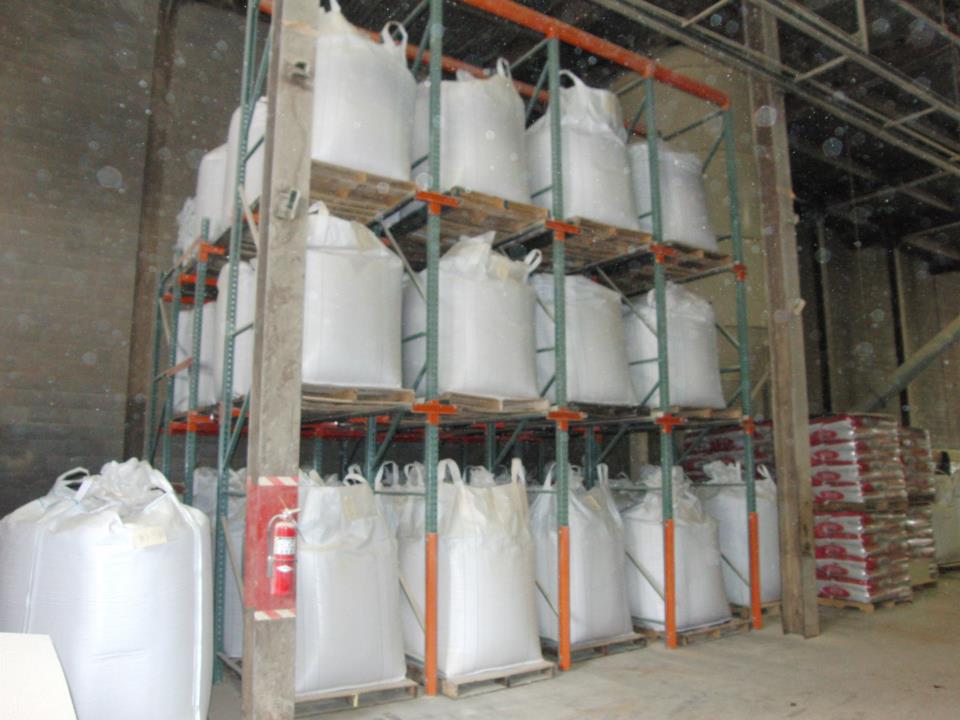
Drive-In Rack in Buckeye, AZ
Buckeye regional reserve operations can use drive-in lanes when bulk stock fills the depth, but the design should leave room for future SKU variety. Around Interstate 10, State Route 85 and the Buckeye industrial area, new logistics buildings and agricultural-support storage facilities need storage matched to the goods and movement pattern. With drive-in rack, the immediate question is whether the system resolves your actual bottleneck: bulk pallets of a few items occupy too much space in single-deep rows. We examine the load profile and movement pattern before recommending a layout. Continuous support rails form deep lanes entered by the customer’s existing handling equipment. Send a floor plan, current inventory requirements and timing so we can compare a workable arrangement before you commit to materials or an installation schedule.
For regional distribution businesses, agricultural suppliers and building-material companies, the aim is sizing reserve lanes for growth without committing every bay to one inventory pattern. A free warehouse consultation helps compare the proposed system with your existing arrangement. We coordinate supply and installation through project partners, with the rack specification, responsibilities and schedule agreed before work begins.
Why Buckeye Warehouses Work With Us
Buckeye regional reserve operations can use drive-in lanes when bulk stock fills the depth, but the design should leave room for future SKU variety. First verify that enough pallets of one item consistently fill each lane. Then review pallet bearing, lane clearances and the dimensions of the handling equipment you already operate. Keep varied or frequently accessed items in selective storage. The density decision should include put-away and retrieval time, not only a pallet-position total. Our focus is sizing reserve lanes for growth without committing every bay to one inventory pattern.
Around Interstate 10, State Route 85 and the Buckeye industrial area, new logistics buildings and agricultural-support storage facilities need storage matched to the goods and movement pattern. A drive-in rack proposal should make those tradeoffs visible. We show the intended arrangement in a CAD layout, identify the components being quoted and explain which inventory belongs in each part of the system. For this application, pallet dimensions, equipment clearances and inventory depth must be confirmed before lane design. Use drive-in for suitable bulk LIFO inventory; consider drive-through access when the operating plan requires retrieval at the opposite end. You have a single project contact for design questions, supplier availability and installation coordination. We work from plans, measurements and photographs provided by your team; no pre-installation visit is assumed. That gives you a practical basis for comparing costs and scheduling the work around receiving and shipment commitments.
Operations We Rack Around Here
Local industrial areas and transport corridors include I-10 corridor, Sundance industrial, Douglas Ranch commerce area, Watson Road corridor, the I-10 far West Valley corridor.
How Drive-In Rack Works
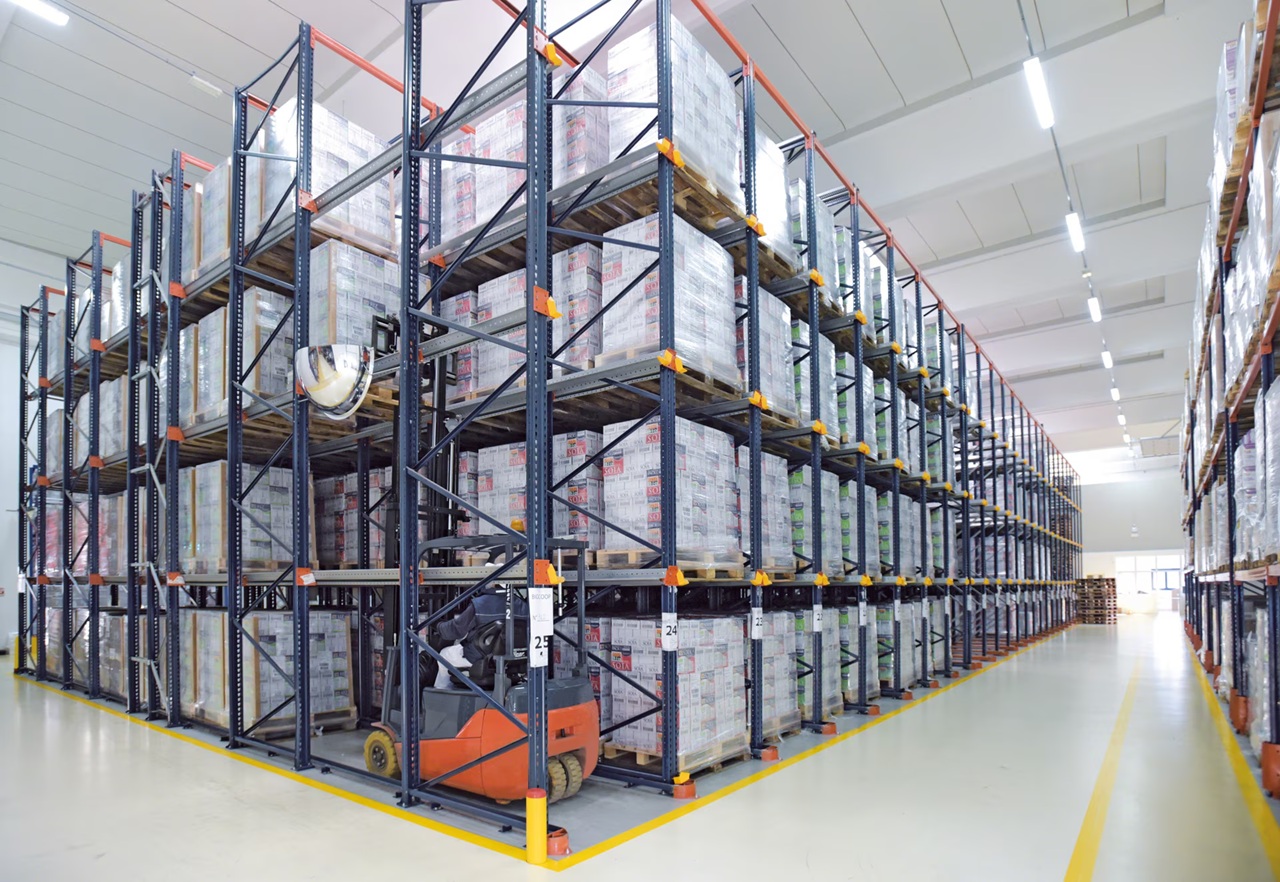
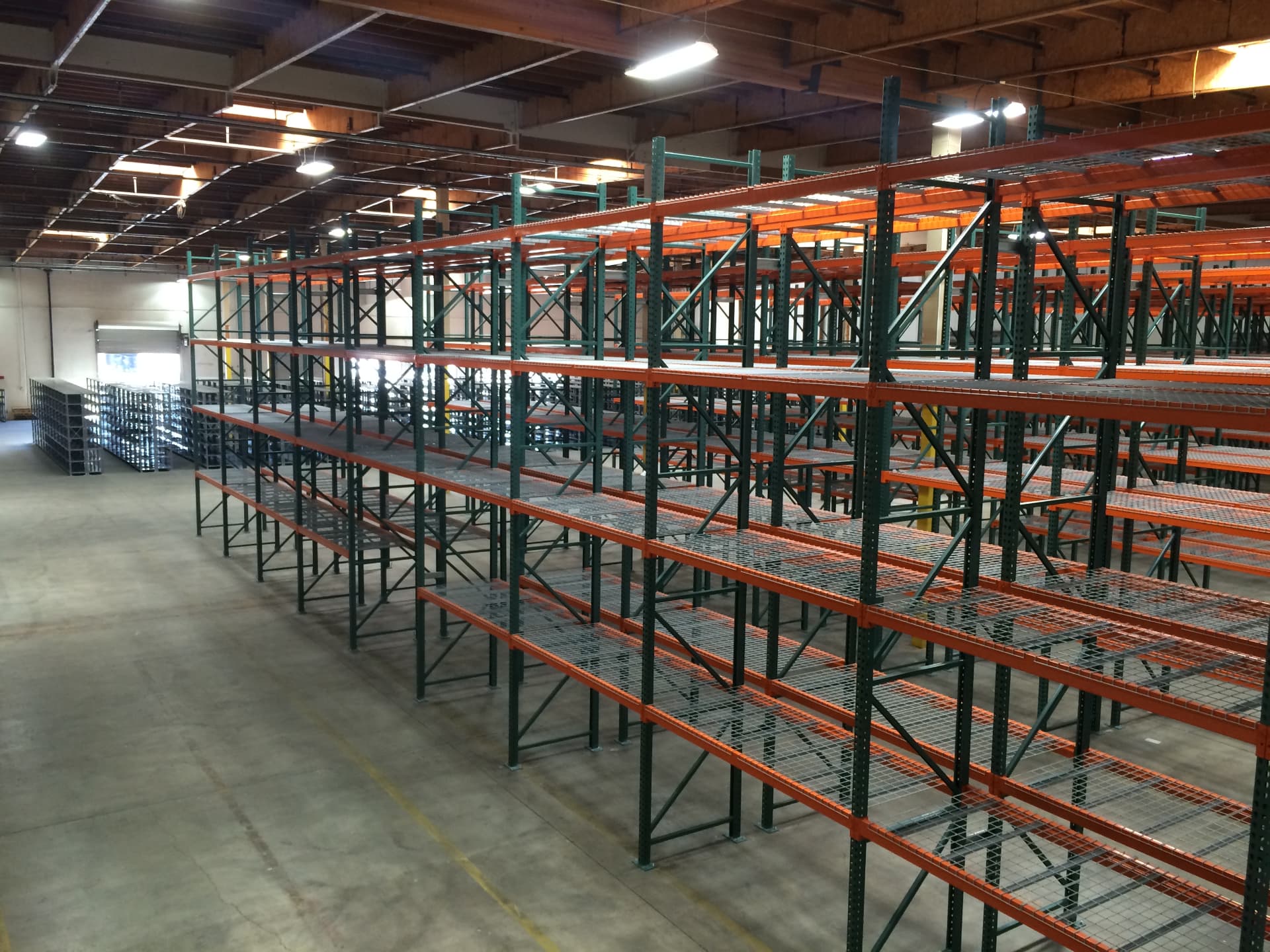
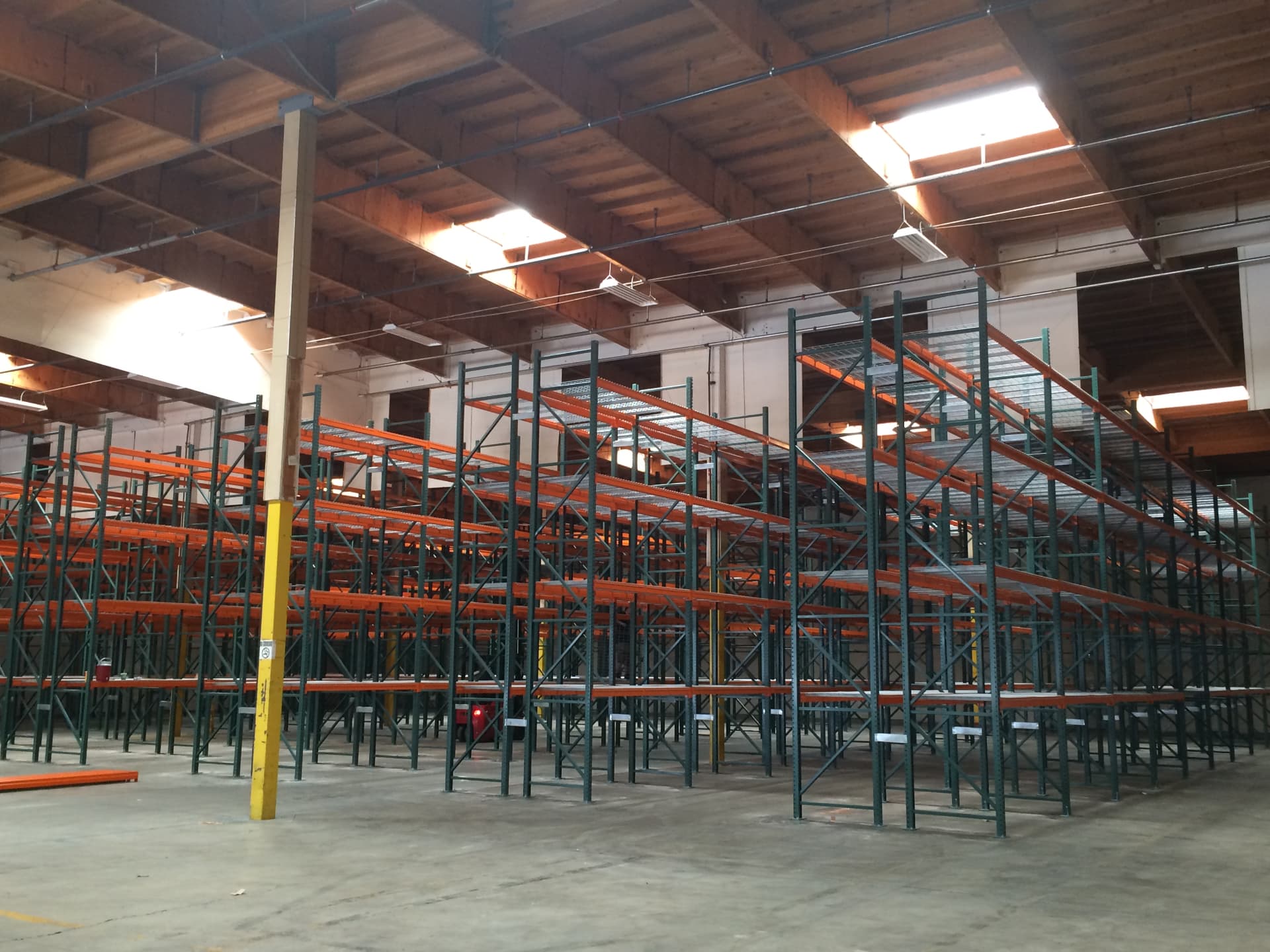
Storage aisles become deep pallet lanes, with lift equipment entering the structure to place each load.
Continuous rails, not beams
Pallets rest on rails carried by upright frames rather than individual beam levels, so a lane accepts pallet after pallet at the same elevation.
The truck enters the lane
The driver travels inside the bay to place or retrieve each load. Lane width, rail height, and mast clearance get dimensioned to that specific truck, not a generic one.
One open end or two
One open end gives LIFO and the deep-lane storage. Two open ends give FIFO with slightly fewer positions, since each lane now needs clearance from both sides.
Guarding built into the design
Guide rails, column guards, and rail-end protection are part of the spec from the start, because a lane that takes daily contact from forklifts is a lane that will eventually need repair.
What a Drive-In Rack Project Includes
A Buckeye drive-in rack project starts with information your team can supply: building dimensions, clear height, column positions, receiving doors, load sizes and maximum loaded weights. We also ask which items move daily and which remain in reserve. Those facts establish a useful design brief before components are selected. Photographs and existing drawings help identify connections and obstructions without assuming a pre-installation visit.
The design starts with the forklift, not the rack. Mast height, overall width, load backrest, and turning clearance decide lane dimensions, so truck specifications get collected before anything is drawn.
Next we look at SKU depth. Drive-in rewards deep lanes of a single product and punishes variety - if a lane never fills, you've built an expensive way to store less than you could have with selective. Where the inventory profile is mixed, we'll usually recommend a hybrid: selective at the pick face, drive-in behind it for reserve.
The quote itemizes frames, rails, rail supports, guide rails, and column protection, with a CAD drawing showing lane depth, rail elevations, and total positions. Installation partners anchor, plumb, and align every rail run, then verify a loaded pallet travels the full lane before handing the system over.
Because drive-in lanes take contact from lift trucks over time, we coordinate replacement rails and guards through suppliers, with availability confirmed before scheduling repairs.
Before ordering, we review the drawing with you and confirm quantities, delivery access and the intended installation sequence. The itemized scope separates the storage components from installation coordination so changes can be evaluated clearly. Your handover information includes the approved arrangement, applicable component capacity documentation and the operating considerations discussed during design. If inventory or load sizes change later, the configuration should be reviewed rather than moving beam levels or adding unsupported loads by assumption.
Get a Drive-In Rack Quote for Your Buckeye Warehouse
Send the basics and we will follow up with a layout and pricing. Prefer to talk it through? Call (602) 844-7035.
Phoenix Pallet Rack
3409 N 7th Ave.
Ste C109 Unit 481
Phoenix, AZ 85013
(602) 844-7035Monday - Saturday: 7:00 AM - 7:00 PM
Drive-In Rack Questions We Hear Most
Other Rack Types We Supply in Buckeye
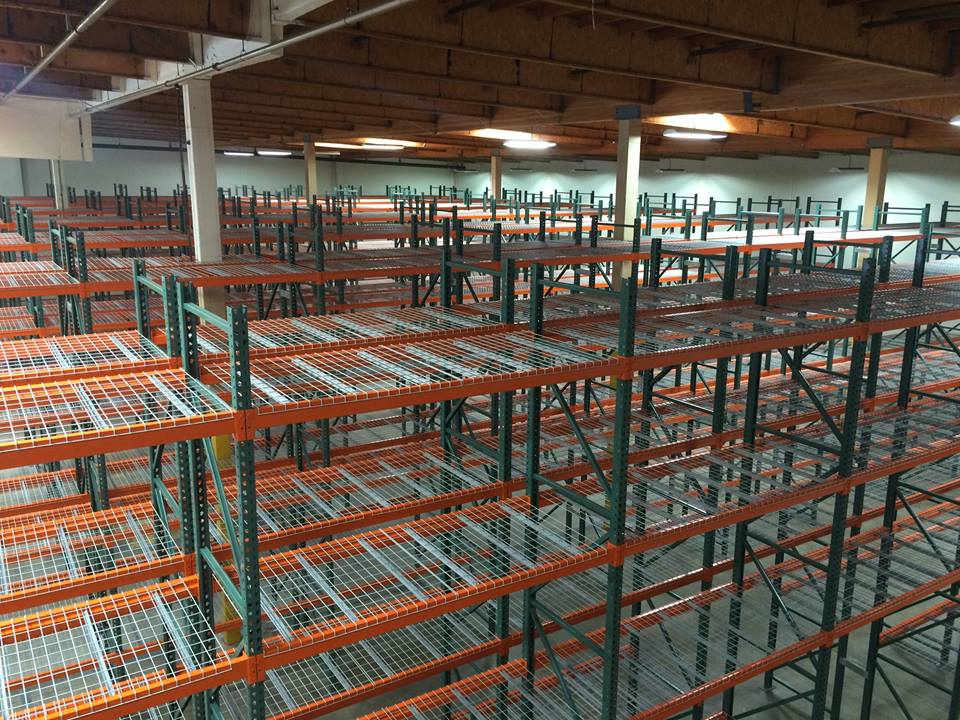
Pallet Rack
Every pallet reachable, every time. The baseline we size everything else against.
View details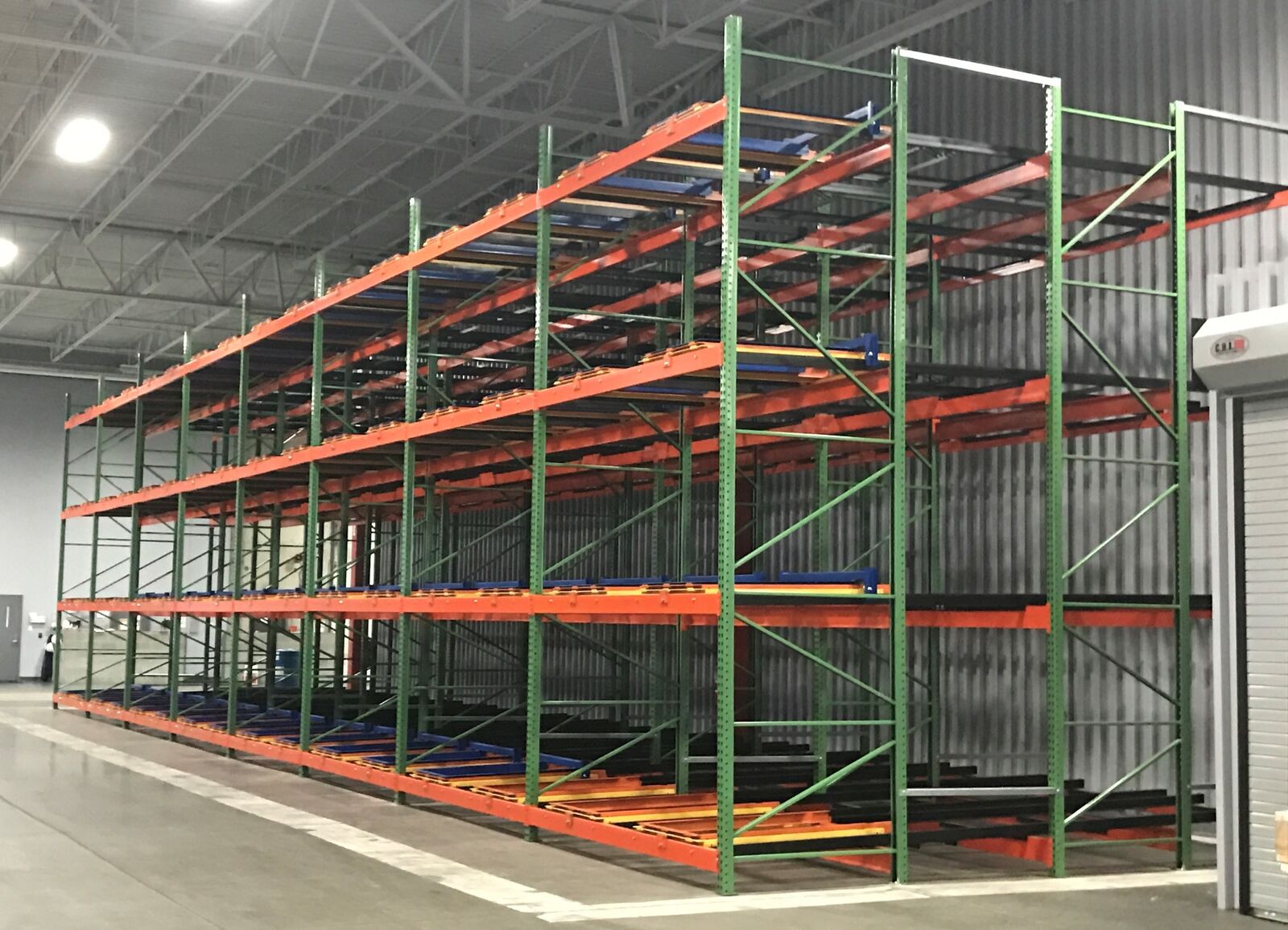
Pushback Rack
Two to six pallets deep from one aisle, without giving up much reach.
View details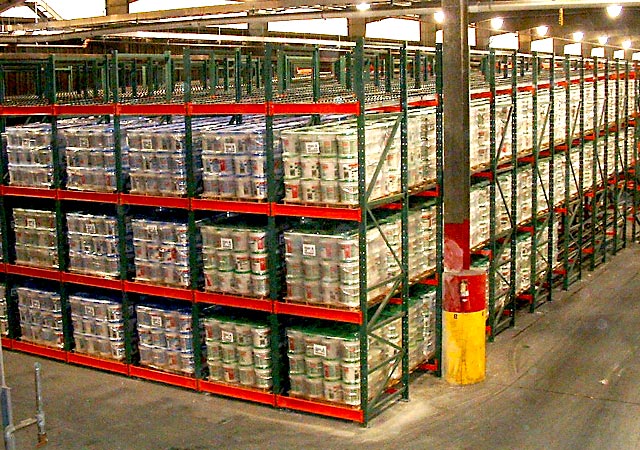
Pallet Flow Rack
Load one side, pick the other, and let gravity enforce first in, first out.
View details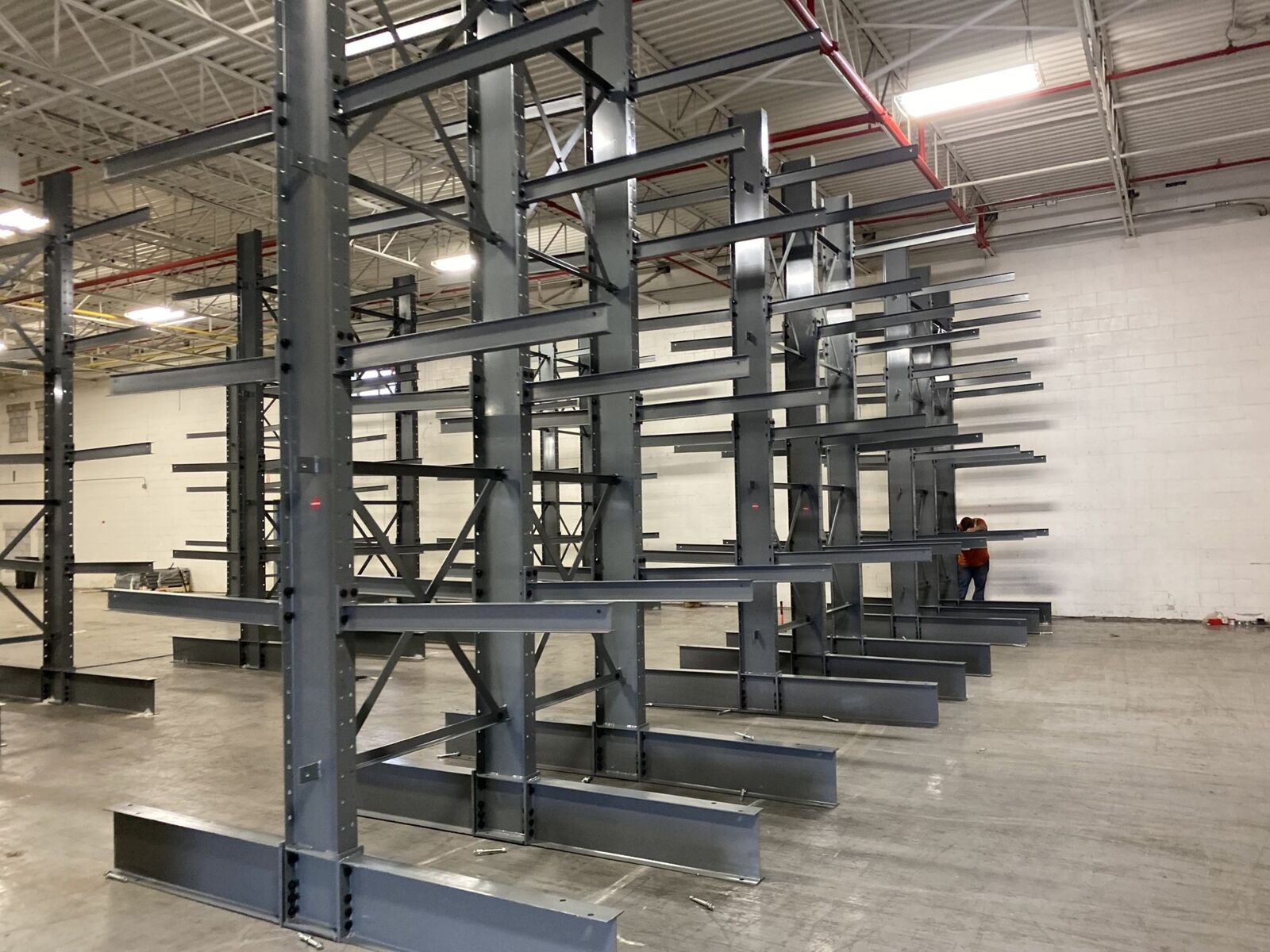
Cantilever Rack
Arms with nothing in front of them, built for lumber, pipe, and anything a pallet can't hold.
View details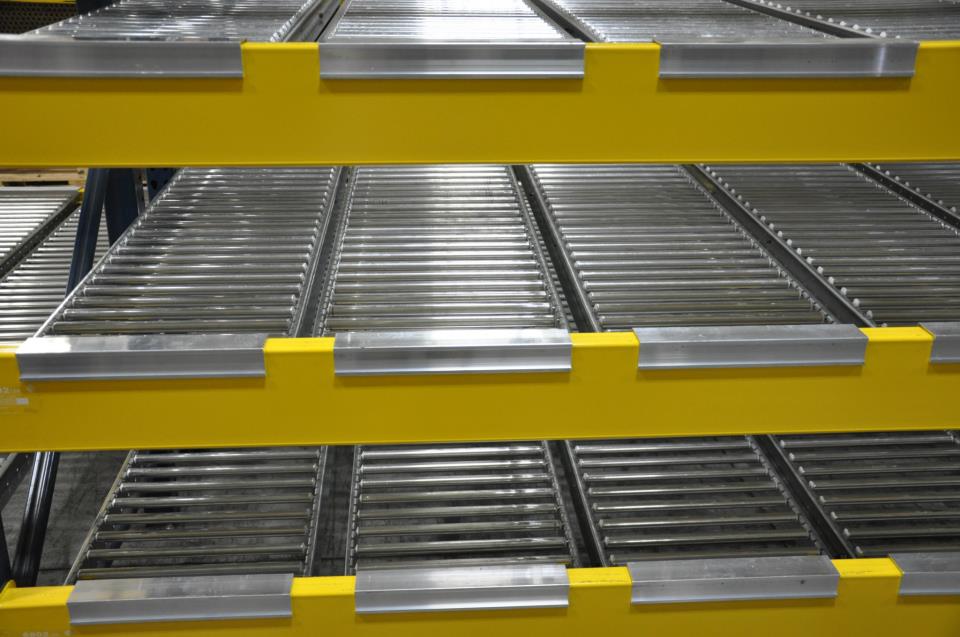
Carton Flow Rack
Cases advance to the picker instead of the picker hunting for cases.
View detailsNearby Areas We Also Serve
Our delivery and installation territory covers Greater Phoenix and southern Arizona, with coordinated scheduling for businesses operating multiple buildings.
Where We Work
Located in Phoenix, we serve the entire Greater Phoenix region with industrial pallet racks and warehouse storage solutions.
Phoenix Pallet Rack
Address
3409 N 7th Ave.
Ste C109 Unit 481
Phoenix, AZ 85013
Phone
(602) 844-7035Business Hours
Monday - Saturday: 7:00 AM - 7:00 PM
Sunday: Closed
Need Drive-In Rack in Buckeye?
Call (602) 844-7035 or request a quote and we will get a layout started.